A public anti-war campaign

No war on my Earth.

Have you ever thought what the world might have looked like if there had been no wars—not in ancient history, but just since World War II?

Think of the tanks, missiles, planes, warships, cargo ships, bridges, cities, fuel, food, labour, and human years that have been burned, sunk, broken, and erased.

That loss is not only destruction. It is stolen human possibility.

Money that could have fed people, housed families, educated children, healed the sick, and built peaceful futures was turned instead into smoke, fire, rubble, debt, fear, and graves.

When war is sold as strategy, ordinary people are asked to forget its real cost. But the real cost is your future, my future, and the future of every child born into this world.

Why war

War is often dressed in the language of necessity, but its visible trail is unmistakable: ruined cities, burning resources, collapsed infrastructure, and common lives pushed into fear and loss.

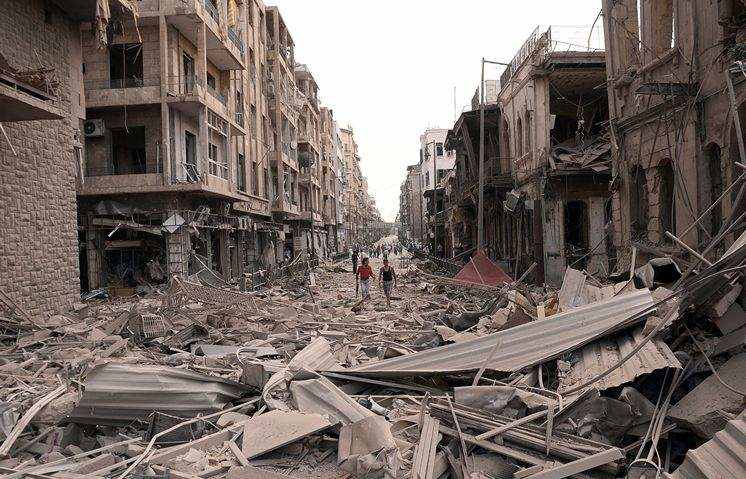
War-torn city street lined with damaged buildings and rubble
Ruined streets are not strategy. They are human loss.
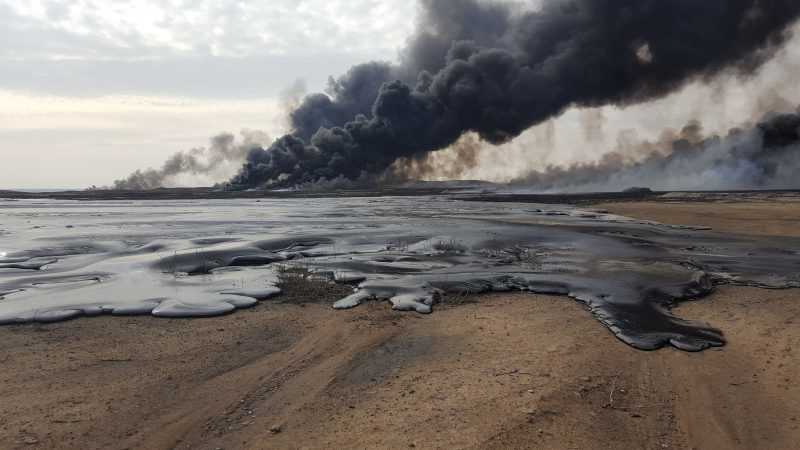
Oil fires burning with black smoke across a barren landscape
War burns not only lives, but shared resources.
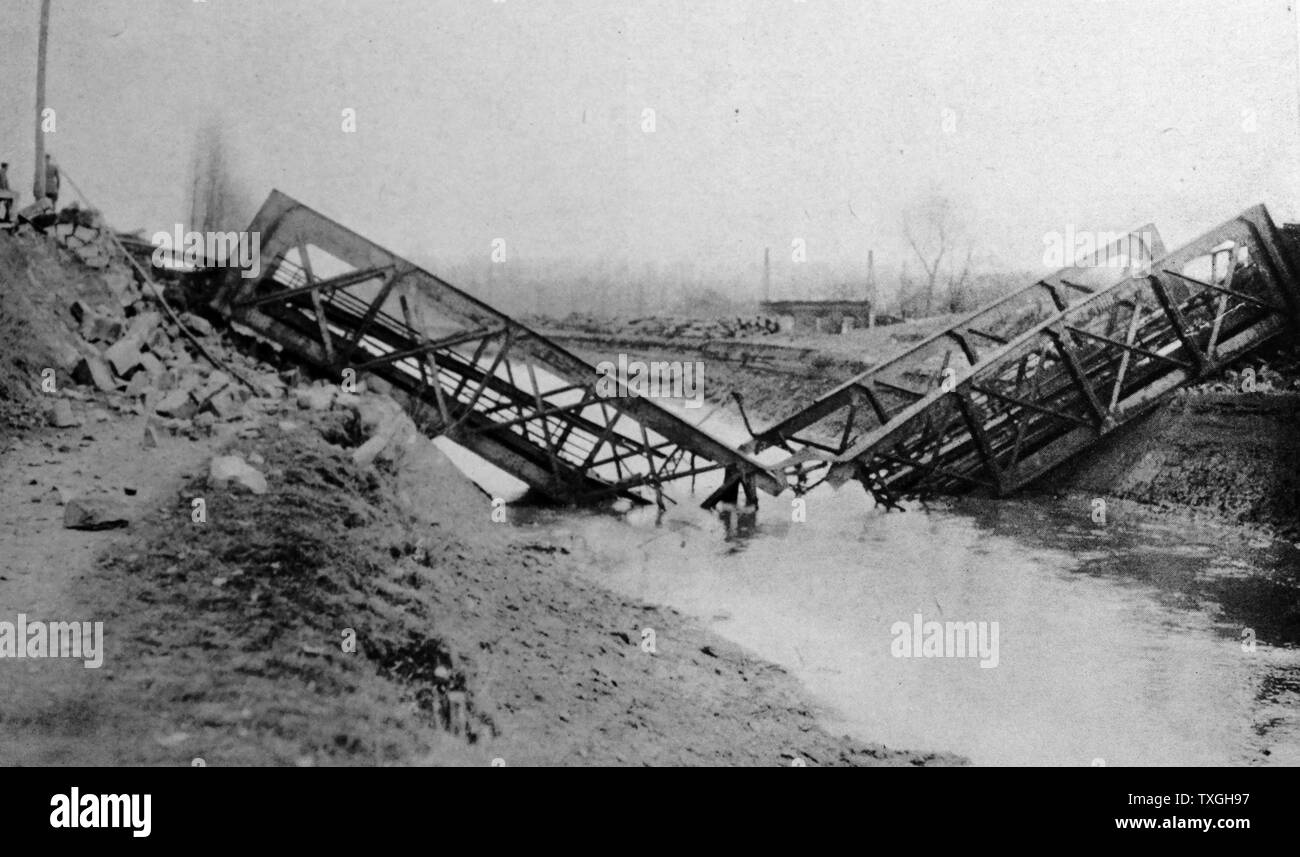
Collapsed bridge lying broken in a river after wartime destruction
Infrastructure erased means futures delayed.

War begins before the battlefield

It begins in minds that treat human life as expendable, in politics that normalize enemies, and in systems that reward militarization more than cooperation.

The arms race keeps it alive

Even when bombs are not falling, war survives in preparation—through stockpiles, expansion, fear campaigns, and the acceptance that larger arsenals mean safety.

Profit often hides inside patriotism

Weapons industries, strategic interests, and political calculations can all hide behind emotional language while ordinary families pay the real price.

The public is taught to look away

When destruction happens far away, many are told it is complicated, inevitable, or none of their concern. That distance protects war.

Did they ever ask us?

Your new argument goes to the center of political morality: if people pay the price, why are they treated as spectators when power chooses war?

Kings never asked

For most of history, kings did not ask their people before invading another land. They did not sit with common families and say: we will massacre innocents, burn homes, destroy livelihoods, and perhaps bring back some gold that will not meaningfully improve your life. They simply marched, and ordinary people carried the cost.

Do presidents ask now?

Today we call it democracy, but the deeper question remains. When presidents or prime ministers move toward war, do they truly ask the people? Do they clearly explain the likely gains, losses, outcomes, and how the war will actually improve the life of the common person? Or do people mostly receive slogans after decisions are already moving forward?

No war now and never

This campaign is not only against one conflict. It rejects the idea that war should remain a permanent option for humanity, because as long as the arms race survives, the idea of war survives too.

No war now. No war later. No war when it is fashionable. No war when it is profitable. No war when leaders call it unavoidable. If the arms race continues, the idea of war continues. That is why the refusal must be permanent.

When power writes the treaty

You also raise a second crucial point: if conditions are imposed only by force, that may produce submission, but it does not produce justice.

Force is not fairness

If a treaty or settlement is imposed only because one side is more powerful, can it honestly be called just? It may stop open fighting for a time, but if it rests only on domination, then it is fear managing fear—not justice healing conflict.

Beyond jungle law

If the rule is simply that the stronger side decides everything, then that is jungle law or sea law—the big fish eating the smaller one. Human society should stand on something higher: rational thought, logic, dignity, and human love. Social law must protect the weak, not merely describe the victory of the strong.

Why keep silent?

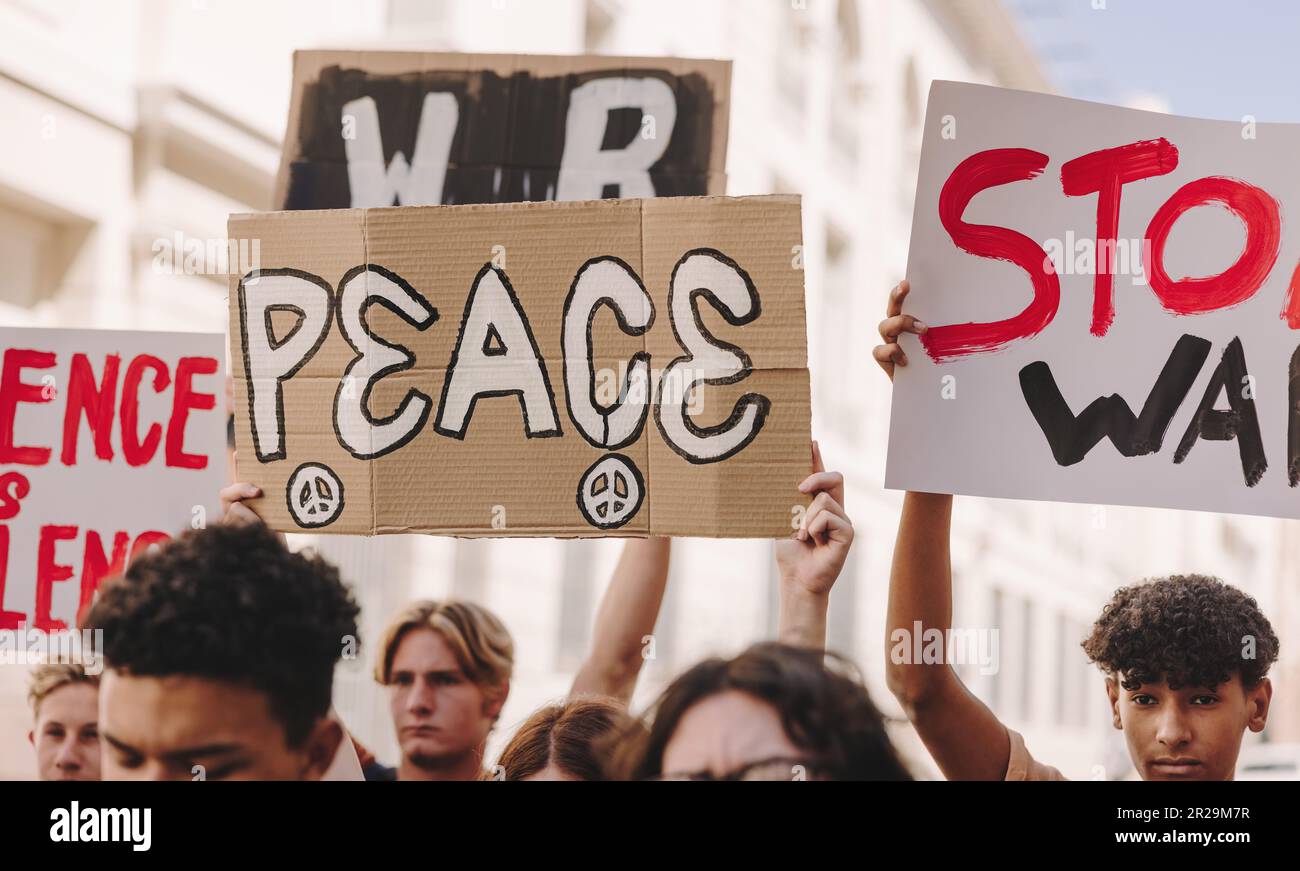
Silence is often presented as neutrality, but in questions of destruction it can become permission. Public protest reminds us that ordinary people are not powerless unless they agree to remain passive.

Silence makes war look normal

If people react only after explosions begin, then militarization, hatred, and dehumanization pass unchecked in the years before the disaster.

Silence abandons the vulnerable

Children, workers, the poor, refugees, and future generations pay for wars they did not choose and cannot control.

Silence weakens moral pressure

Public voices may not stop every war immediately, but without them leaders feel far less pressure to justify, limit, or abandon violent paths.

Silence forgets our shared home

Earth is not inherited by one ruler, one flag, or one army. It is shared by all who live now and all who will come after us.

Only few decide, 8 billion suffer

The injustice of war is not only in violence itself. It is also in its structure: decision-making is concentrated at the top, while loss spreads outward through entire societies and generations.

Power is concentrated

A small political, military, or economic class can push entire societies toward conflict while calling it national interest.

Suffering is universal

Even those far from the battlefield feel the shock—through food prices, energy shocks, taxes, fear, instability, displacement, and a more brutal world culture.

Connected humanity changes the equation

For the first time in history, billions of ordinary people can speak, organize, publish, witness, and refuse together across borders in real time.

One act can travel

A post, a conversation, a pledge, a speech, a community page, a video, a signature, a refusal to glorify war—every public action helps build moral momentum.

This is not a spectator issue.

Do not remain in the audience while a few egos gamble with the shared world. Step into the field. Carry the message. Make anti-war speech normal, public, and constant. This campaign continues as long as the arms race continues and as long as the idea of war survives.